Knee pain can feel like your body’s unwelcome alarm clock.
We ask a lot of our knees. Walking, running, climbing stairs, crouching down to pick something up – or chasing after grandkids – they’re always in action. So when knee pain strikes, it’s more than an inconvenience. It can hold you back from the things you love most.
The good news? Most causes of knee pain can be understood, treated, and in many cases – fixed.

1. Osteoarthritis (wear-and-tear arthritis)
Think of it as the tread on a tyre wearing down over time. Osteoarthritis happens when the protective cartilage in your knee wears away, causing bone-on-bone contact. The result? Stiffness, swelling, and pain that often gets worse with activity.
Clues it might be OA: Morning stiffness, grinding sounds, or pain that builds up after you’ve been on your feet.
2. Ligament injuries
Your knee has built-in “seatbelts” called ligaments that keep it stable. If one gets torn or overstretched – like the anterior cruciate ligament (ACL) or medial collateral ligament (MCL) – you’ll feel pain, swelling, and sometimes a sudden “pop.” These injuries often happen in sports, but can also result from falls or awkward twists.
3. Meniscus tears
Between the bones in your knee are two rubbery cushions called menisci. They act as shock absorbers. A quick twist, awkward pivot, or even gradual wear can tear them – leading to swelling, stiffness, and difficulty fully straightening your leg.
4. Patellofemoral pain syndrome (pain around the kneecap)
This mouthful simply means pain at the front of your knee – often from overuse, muscle imbalance, or kneecap alignment issues. It’s common in runners, cyclists, and anyone who spends a lot of time bending their knees.
5. Bursitis
Your knee has small fluid-filled sacs (bursae) that reduce friction when you move. When these become inflamed – often from kneeling for long periods or repeated pressure – you get swelling and tenderness, usually just above or below the kneecap.
6. Post-injury or post-surgical pain
If you’ve had a previous injury or operation, the surrounding muscles, ligaments, or cartilage might still be healing, or compensating, which can create ongoing discomfort.
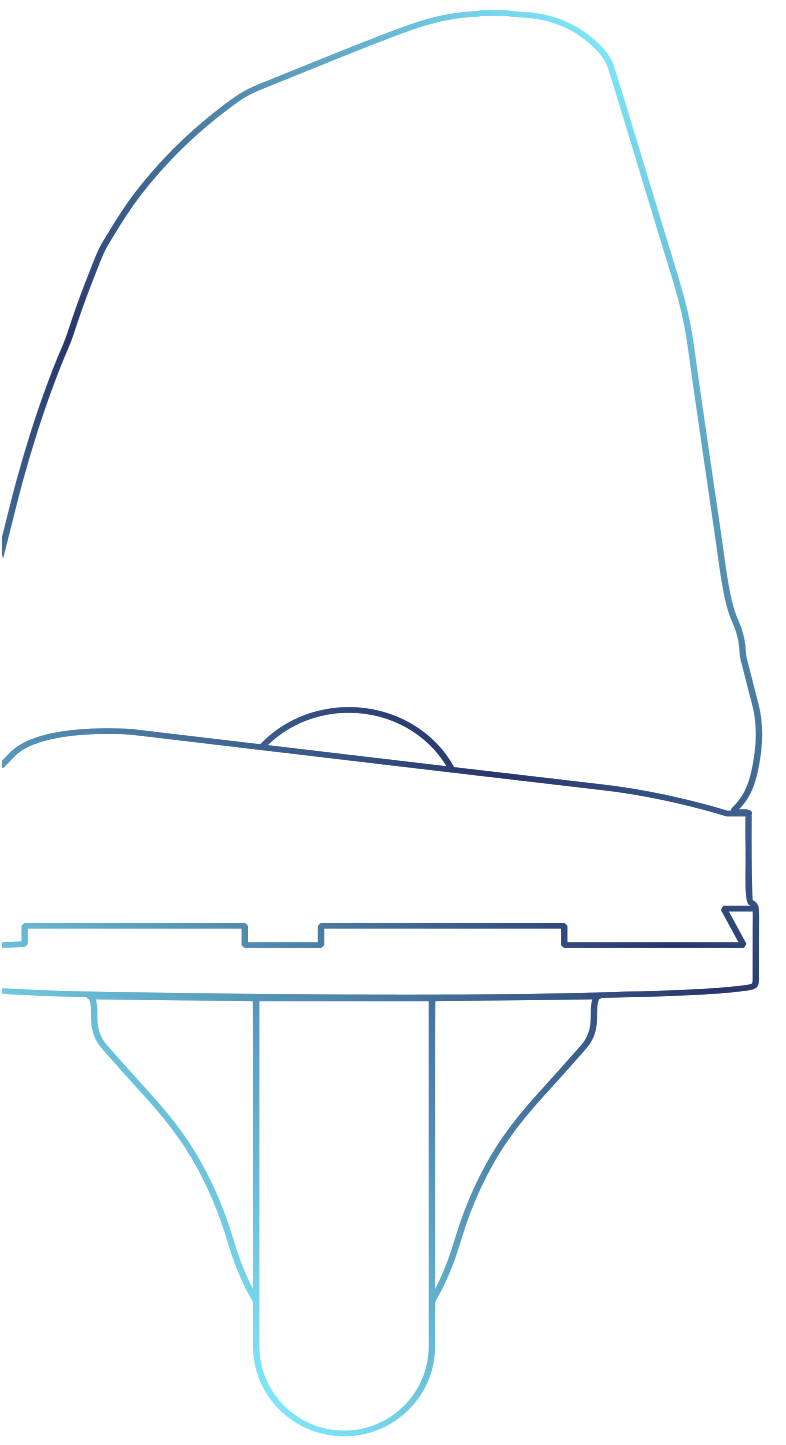
Pro tip: Knee pain is a symptom, not a life sentence. Understanding the cause is the first step toward the right treatment – whether that’s physiotherapy, lifestyle changes, or, when needed, surgical options like the Evolution® Medial-Pivot Knee.